Actualizado el 9 de octubre de 2026.
Por todos lados te dicen que hagas stream de lo que te gusta. Buen consejo para el stream. Mal consejo para el clipping.
Porque clipear es otro oficio. No buscas un juego agradable para jugar seis horas. Buscas un juego que saque momentos: esos instantes donde pasa algo tan evidente que un desconocido que hace scroll en TikTok a las 11 de la noche se frena en seco. Cuántos de esos momentos hay por hora de VOD: esa es la única métrica que importa.
Así que vamos a recorrer los géneros y ver cuáles producen más en 2026. Para cada uno: por qué funciona, qué hook ponerle y para qué tipo de clipper está hecho. Al final vas a saber qué cortar esta noche.
La única regla que importa: que se entienda en tres segundos
Antes de los géneros, el principio que lo decide todo. Un clip pega cuando la emoción o la acción se entiende sin sonido, sin contexto, en tres segundos. Es el umbral del scroll, y no hay forma de saltárselo.
En concreto, un juego clipeable es un juego que seguido te da una emoción facial fuerte (miedo, rabia, alegría que explota), un giro claro (la derrota que se vuelve victoria o al revés), o algo en juego que se capta a primera vista (último jugador vivo, jefe al 1 %, apuesta absurda que se sale de control). Si tu clip necesita diez segundos de explicación antes de volverse gracioso, ya está muerto. Ten esto en mente para todo lo demás.
El battle royale, la fábrica de clips fáciles
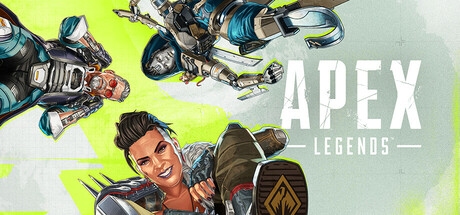 Apex Legends: key art oficial
Fuente: Electronic Arts / Respawn
Apex Legends: key art oficial
Fuente: Electronic Arts / Respawn
Warzone, Apex, Fortnite, PUBG, el battle royale del momento: sigue siendo el rey del clip fácil en 2026, y por una razón simple. El juego fabrica el suspenso por ti. Mientras más avanza la partida, más sube lo que está en juego, y el último círculo es una máquina de momentos. El "1v3 clutch por la win" es el clip más universal que existe. Cualquiera entiende que queda un jugador contra tres y que todo puede cambiar, aunque no conozca el juego.
El hook es la cuenta regresiva. "Queda 1 jugador vivo, mira lo que hace." Planteas lo que está en juego en los dos primeros segundos, dejas que suba la tensión y guardas el giro, el kill imposible, la win con el último HP, para el final. Nunca al principio.
Es el género perfecto para empezar. También el más indulgente: hasta un clip regular de un buen clutch funciona, porque la tensión ya está en el juego. Si quieres volumen y aprender el ritmo de la edición sin complicarte, empieza ahí.
El horror, donde la reacción vale más que el juego
Los juegos de terror no se clipean por el gameplay. Se clipean por tu cara. Y en 2026, la reacción en webcam sigue siendo el oro del formato vertical.
 Phasmophobia: key art oficial
Fuente: Kinetic Games
Phasmophobia: key art oficial
Fuente: Kinetic Games
Un jumpscare captura una emoción pura, involuntaria, todo lo contrario al contenido calculado. Al algoritmo le encanta porque provoca una reacción espejo inmediata en el viewer. Phasmophobia, los juegos indie cortos con jumpscares, los horror coop con amigos: cada susto es un clip en potencia. Y si sumas la risa nerviosa de después, tienes el combo miedo más alivio, el que se comparte por DM con tu amigo para asustarlo.
El hook que funciona es el "wait for it". Streamer tranquilo, gameplay calmado, un texto que avisa "espera al final". El viewer se queda por el payoff. Y la cámara en primer plano durante el susto no se negocia: ahí es literalmente donde se juega el clip. Si eres expresivo, o si cortas a un streamer con reacciones teatrales, estás sobre una mina de oro. Encuadra bien la webcam, ella es la estrella.
Los rage games, la rabia se comparte sola
Rage games, plataformeros castigadores, souls-like en modo "voy a romper el teclado": este género existe casi solo para el clip. La frustración es la emoción más contagiosa en formato corto. Un streamer que muere en el mismo lugar por vigésima vez y explota se entiende en cero segundos.
Y tiene un bonus que los otros géneros no tienen: la serie. Una misma run de rage puede sacar diez clips, con una tensión que sube entre uno y otro. "Murió 47 veces en este salto. Mira el intento 48." El viewer quiere ver o la rabia final o la liberación, y las dos funcionan. Hasta puedes armar una miniserie narrativa sobre un solo jefe, lo que fideliza tu cuenta mejor que un momento aislado.
Por eso es el terreno del editor al que le gusta contar historias. Si prefieres construir un arco en varios episodios en vez de soltar un clip que pega y ya, aquí la vas a pasar increíble.
Los competitivos, impactan pero cuidado con el contexto
 Counter-Strike 2: key art oficial
Fuente: Valve
Counter-Strike 2: key art oficial
Fuente: Valve
Valorant, CS2, League, Rocket League, los juegos de pelea: los competitivos sacan clips espectaculares. El ace con la deagle, el clutch, el aerial loquísimo: es visualmente increíble y provoca al instante el "espera, ¿cómo es posible?". Solo que también es el género más tramposo de todos.
El problema es que sin contexto, la mitad de esos clutches pasan sin pena ni gloria. Un viewer que no juega Valorant no entiende por qué esa ronda valía algo. Así que los competitivos exigen un empaque: un texto que plantee lo que está en juego, subtítulos que expliquen la acción, a veces un zoom al marcador. El clip en bruto nunca alcanza.
El hook es la puesta en escena de lo que está en juego. "Match point. Si falla esto, pierden el torneo." Planteas la gravedad antes de la acción; si no, el ace más limpio del mundo pasa desapercibido. Mis 12 hooks de TikTok que pegan en 2026 detallan cuáles funcionan por tipo de contenido. En resumen, es el terreno del clipper que conoce el juego: si entiendes la escena, sabes qué momento merece empaque y cuál es solo una ronda bonita y olvidable. Si no la conoces, vas a clipear vacío que se ve bonito.
¿Quieres estos clips en tu vida?
StreamClipping convierte tus directos en clips verticales listos para publicar, con subtítulos animados. Plan gratis de por vida, 15 minutos de vídeo al mes, sin tarjeta.
Los grandes lanzamientos, una ventana corta
Cada gran lanzamiento abre una ventana de clipping de oro, y el final de 2026 trae cuatro: Call of Duty: Modern Warfare 4 el 23 de octubre (campaña en acceso anticipado desde el 16 de octubre), World of Warcraft: Forever el 4 de noviembre, GTA VI el 19 de noviembre solo en PS5 y Xbox Series X|S (precarga el 12 de noviembre, ninguna versión de PC anunciada), y Path of Exile 2 en versión 1.0 el 11 de diciembre. El problema es que la ventana se cierra rápido.
Los lanzamientos de septiembre muestran el tamaño de la ola. WARDOGS, un FPS táctico PvP lanzado en acceso anticipado en Steam el 10 de septiembre de 2026, alcanzó un pico de 346 100 espectadores en Twitch y 13,1 millones de horas vistas del 10 al 13 de septiembre según Streams Charts, impulsado entre otros por TheBurntPeanut, shroud y summit1g. Para un clipper es el escenario ideal: un juego de tiroteos donde cada ronda puede sacar un clutch o un fail, jugado al mismo tiempo por varios streamers grandes, o sea, varias VODs para cortar la misma noche. Aion 2, MMORPG gratuito lanzado mundialmente el 5 de octubre de 2026, llegó a un pico de 261 602 espectadores en Twitch (dato de SteamDB). Y la ola baja: la temporada «Kord Breach» de Escape from Tarkov hizo 20,17 millones de horas en Twitch del 3 al 10 de agosto según Streams Charts, contra 8,7 millones en los 30 días al 8 de octubre según TwitchMetrics.
En el lanzamiento, la demanda explota y los clips todavía escasean. Los primeros días, un clip decente de un bug gracioso, una reacción de descubrimiento o una secuencia espectacular capta una audiencia hambrienta que busca contenido del juego. El volumen de búsqueda ya está ahí, antes de que todo el mundo se ponga a publicar.
El hook es la novedad: "nadie había visto esto en el nuevo [juego]". El bug, el secreto, la primera reacción. El viewer quiere descubrir el juego a través de tus ojos antes de tenerlo. Pero este género premia la velocidad, no la perfección. Si sacas un clip en la hora siguiente al stream el día del lanzamiento, te subes a la ola. Unos días después, el nicho está saturado. Justo ahí te salva una herramienta que corta una VOD en minutos, porque a mano te pierdes la ventana.
Party games y sandbox, la risa y lo inesperado
Dos géneros, una misma fuerza: lo impredecible en grupo.
Por el lado de los party games, Fall Guys, Among Us, los juegos de minijuegos entre streamers: el multijugador entre creadores genera momentos sociales imposibles de guionizar. Una traición en Among Us, un fail colectivo, un silencio incómodo en el chat de voz. La risa en grupo es súper compartible porque mete al viewer en la banda. El hook es el setup social: "todavía no sabe que lo van a traicionar." Si cortas collabs, adelante, los streams en grupo son minas.
Por el lado del sandbox, GTA RP, Minecraft, los mundos abiertos creativos: es el "de verdad hizo eso". Un momento de roleplay que se sale de control, una construcción loca, una muerte absurda. El sandbox saca contenido que nadie vio dos veces, perfecto contra el cansancio de formato. Pero pide paciencia en la edición, y el GTA RP en particular exige conocer a los personajes y los arcos. Es un nicho de especialista, para el editor que sabe encontrar la joya en una VOD larga y tranquila.
Y el GTA RP vive un resurgimiento. Según Streams Charts, GTA V fue el juego más visto de Twitch en septiembre con 76,7 millones de horas vistas (+59 %), impulsado por el lanzamiento de un nuevo servidor NoPixel (NoPixel V, en beta cerrada en el Rockstar Games Launcher desde el 8 de septiembre de 2026 según Dexerto) y un calendario de esports más tranquilo. Personajes y arcos que arrancan en un servidor nuevo: es el mejor momento para aprender a seguirlos, antes de que llegue GTA VI el 19 de noviembre.
Entonces, ¿qué clipeas esta noche?
No existe un mejor género en absoluto. Existe el género que encaja con tu forma de trabajar. ¿Estás empezando y quieres volumen? Battle royale y rage games, hook evidente, clips indulgentes. ¿Eres expresivo o cortas a un streamer reactivo? Horror, todo se juega en la webcam. ¿Te gusta contar historias? Rage games en serie o sandbox. ¿Te sabes un juego de memoria? Competitivos, tu contexto es tu ventaja. ¿Eres rápido? Los grandes lanzamientos, súbete a la ola antes de la saturación. ¿Cortas collabs? Party games, las interacciones entre creadores son únicas.
Y el verdadero cuello de botella, sea cual sea el género, nunca es encontrar el juego. Es encontrar los momentos en horas de VOD. Ese es justo el trabajo que StreamClipping AI hace por ti: detecta los momentos fuertes por el audio y la transcripción, más la imagen en los planes Pro y Elite, y saca unos 6 clips 9:16 por hora de VOD (unos treinta para un stream de 5 horas), en 1080x1920 con subtítulos animados, directamente desde tu VOD de Twitch, YouTube o Kick. Pasas de seis horas viendo video a una selección lista para empaquetar.
StreamClipping AI es un software de clipping con IA para streamers: convierte una VOD de Twitch, YouTube o Kick, o un stream en vivo, en clips verticales 9:16 con subtítulos, publicables automáticamente en TikTok, YouTube Shorts e Instagram Reels con el AutoPilot (planes Pro y Elite), y su plan gratis da 15 minutos de video al mes. Y si haces stream tú mismo, qué juego stremear según la hora y tu región te ayuda a elegir el juego y el horario.
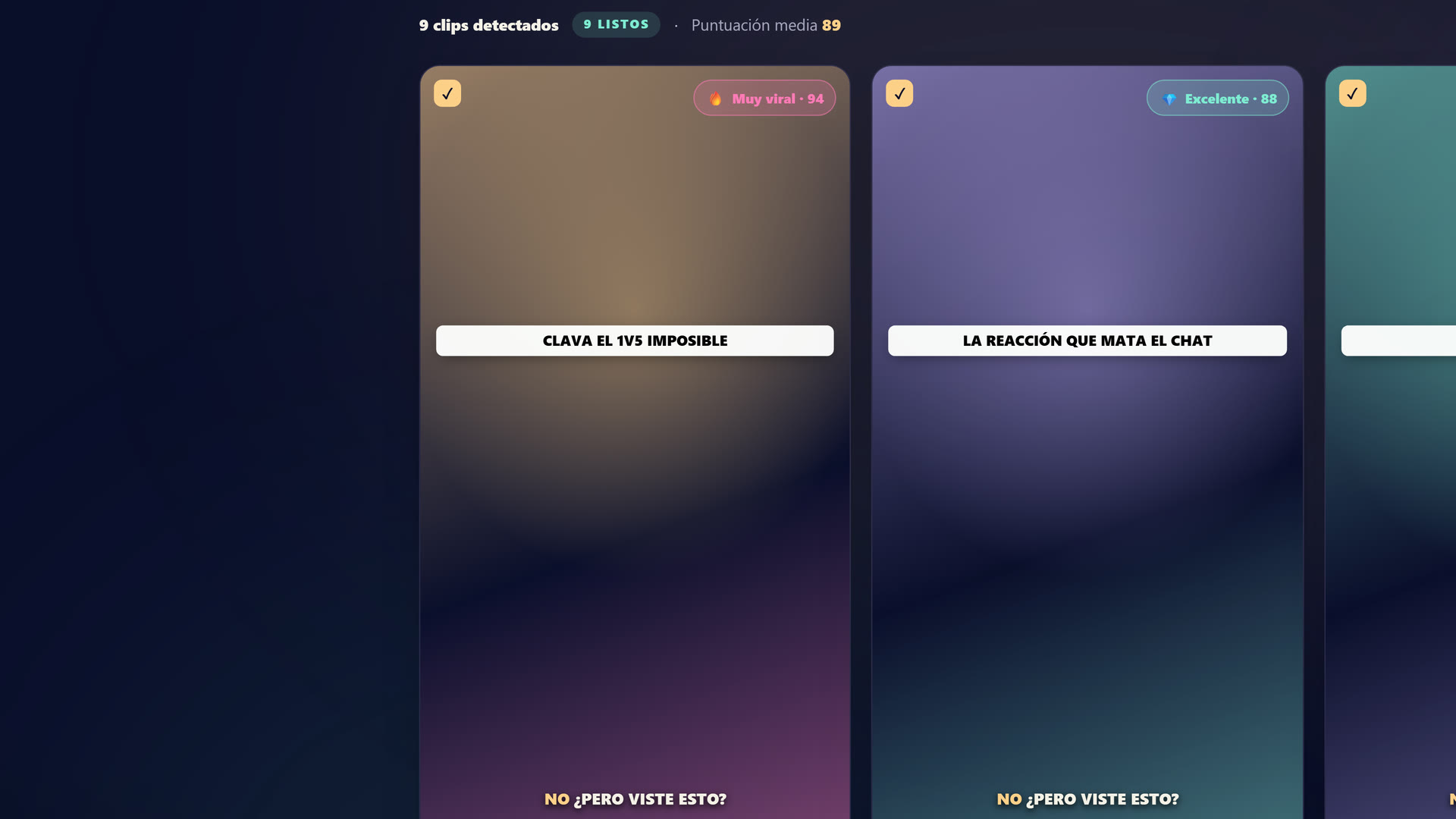 El estudio de StreamClipping AI: conectas tu VOD de Twitch, YouTube o Kick, la IA detecta los momentos fuertes y saca los clips 9:16 con subtítulos.
Cada nuevo artículo en tu bandeja, sin relleno.
Un email cuando sale un artículo, nunca más de uno cada dos días. Técnicas virales, herramientas IA que valen la pena, formatos de TikTok que funcionan. Sin spam, sin pitch agresivo.
Una última cosa, y es la más importante: deja de buscar EL juego mágico. No existe. Un battle royale flojo saca clips flojos, y un juego de nicho en manos de un streamer expresivo saca joyas. Lo que decide es la densidad de momentos que se entienden al instante y tu capacidad para encontrarlos y empaquetarlos rápido. Elige un género que se parezca a ti, concéntrate en él mientras el algoritmo entiende a tu audiencia, saca volumen limpio y repite.
Cuando quieras probar sin pasarte las noches en eso, StreamClipping AI corta tu VOD por ti. Plan gratis de por vida, 15 minutos de video al mes sin tarjeta, y 7 días de Elite al registrarte, con 1 h de video por día. Y si quieres clipear para que te paguen, /discover reúne las campañas pagadas por views (Vyro, Whop y compañía) con el CPM y la plataforma a la vista.
Para seguir leyendo:
- Qué juegos stremear en Twitch este mes para el lado stream de la pregunta
- Cómo clipear un stream de Twitch el método completo de la A a la Z
- 12 hooks de TikTok que pegan en 2026 para empaquetar tus clips por género
Hecho con amor, por un streamer para los amantes del stream. Ragnarlebroc.