It is 10:40 pm. You just pulled off the clutch of the night, chat explodes, someone types "CLIP". You have two options. Wait until tomorrow, grab the VOD, cut the clip and post it in the afternoon, when everyone has moved on. Or post it now, while your chat is still talking about it and your stream is still going.
The second option is called live clipping. Here is how it works, what to do with it, and the traps to avoid.
The hot clip versus the next-day clip
Regular clipping waits for the stream to end. You grab the VOD, the AI goes through it, the clips land once everyone has left. It is perfect for volume: a four-hour VOD gives you a week of content.
What it does not give you is speed. A clip posted during the live rides two things that no longer exist the next day: a chat that is still hot, sharing and commenting in the moment, and a live that is still open, which the clip can point back to. The next day, the clip is good, but it tells a moment everyone has already seen.
Live clipping means cutting the clip within minutes of the moment, while the stream runs.
How it works
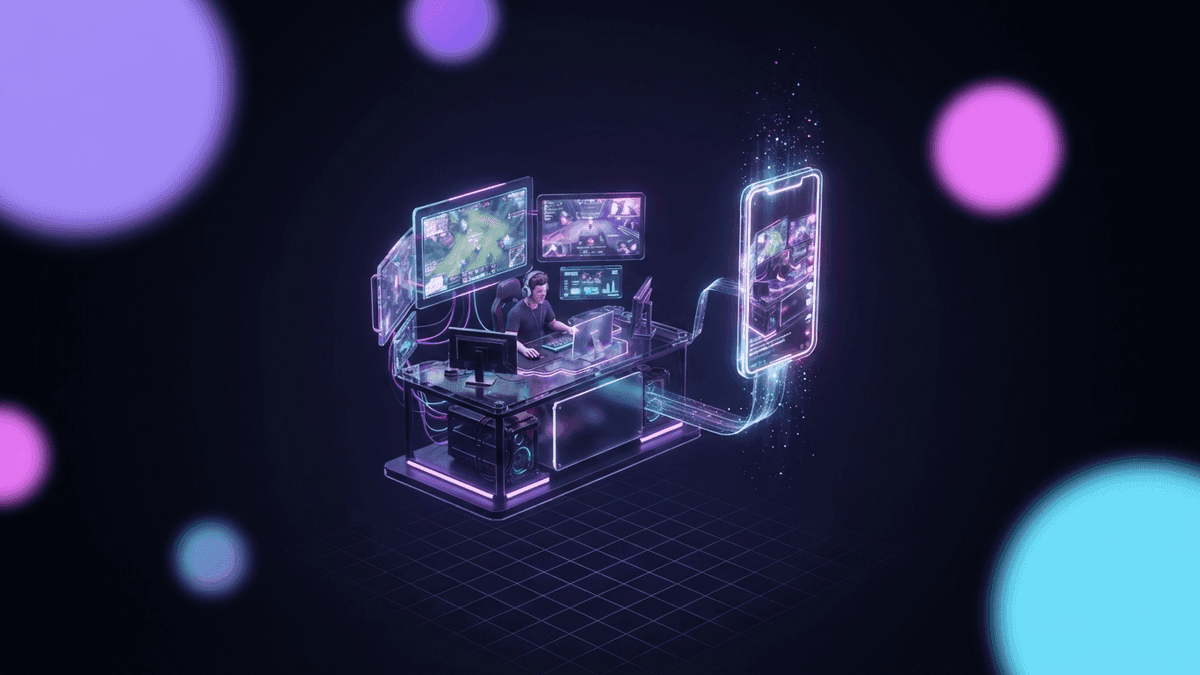
With StreamClipping AI, the AI clipping software for streamers, you paste the public link of your Twitch, YouTube or Kick live. From there, everything happens on our servers:
- The capture follows the live in real time. Nothing to install, nothing to run on your PC. No OBS plugin, no extra encoding, zero impact on your FPS.
- The AI reads two signals as it goes. Audio (a shout, a laugh) and chat velocity. A moment that clearly breaks the usual rhythm of the stream triggers a clip, and the transcript is then made on that passage, for the captions and the hook.
- The clip is edited right away. Vertical 9:16 reframing, facecam and gameplay split, animated captions, hook on top. It lands in your studio a few minutes after the moment.
- You publish, or AutoPilot does. One click to approve, or automatic scheduling on TikTok, Shorts and Reels.
The live clipping page details the capture plan by plan. In short: included from Creator, with a per-session limit (2 h, 4 h on Pro, 8 h on Elite) and a monthly capture total (3 h, 6 h, 16 h), separate from your video minutes. Each live clip lasts around a minute and only counts around a minute of your minute quota, never the length of the stream.
Want these clips in your life?
StreamClipping turns your streams into vertical clips ready to post, animated captions included. Free plan for life, 15 minutes of video a month, no card.
The three-minute setup
Before the stream, not during. Three things to do once:
- Connect your publishing accounts. TikTok, YouTube, Instagram. That is what lets AutoPilot post without you.
- Set AutoPilot. Either everything goes out automatically, or each clip waits for your approval. For a first stream, pick approval: you will see what the AI produces, and you will fine-tune.
- Prepare the link. Your channel URL is enough. When you go live, you paste the live link, and it runs.
Once that is set, the next stream needs a single gesture: pasting the link.
What to post during the stream
The classic mistake is posting everything. Ten clips in two hours is spam for your own accounts, and the platforms notice. During a stream, aim for two or three clips, chosen for different reasons.
The big moment. The clutch, the laugh, the punchline. The one chat asked for. It goes out as is, it is the clip that gets views.
The teaser. A clip that says, without saying it, that you are live right now. A reaction, a line, fifteen seconds. Its description mentions the stream is still on. It is the clip that brings viewers in.
The community clip. A chat bit, a reaction to a message, a moment that only makes sense to those who were there. It gets fewer views and that is normal: it is there for the people who already follow you.
The rest, everything the AI produced that you did not post, the VOD will pick up the next day.
When to post
Space out. One clip every hour, not three in ten minutes. A human does not post five videos in five minutes, and an account that does looks like a clip farm. The clipping guide details the protocol to avoid getting throttled.
The best time for the teaser is the first third of the stream, when there is still enough time for people to come. The big moment goes out when it happens, that is the whole point. The community clip can wait for the end.
The traps
- Spoiling the ending. If your stream has an ending that matters (a boss, a result, a reveal), do not clip it hot. The next-day clip will get more views without robbing the people watching the replay.
- Clipping what needs context. "He did it" is only funny if you know what he was supposed to do. The AI proposes, you sort: a clip that does not stand on its own stays in the studio.
- Watching your studio instead of your chat. Live clipping has to stay invisible during the stream. Approve between two games, not in the middle of a play. Or let AutoPilot handle it and check afterwards.
- Forgetting the VOD. The live cuts the moments hot, one by one. The VOD, the next day, cuts the volume with the benefit of the whole session. Both together means two or three clips the same evening and a week of content behind them.
Live clipping on Twitch, YouTube and Kick
All three platforms clip live from the public link of the stream. On Twitch, it is the most common use case: facecam plus gameplay, a lively chat, short moments. On Kick, the principle is the same, with often longer streams. On YouTube, live clipping works as well for a gaming stream as for an IRL live or a live podcast.
In all three cases the result is the same: a captioned vertical clip, ready to go, while your stream keeps running. Paste the link of your next stream and see what comes out.
Also worth reading:
- How to spot the best moments of your stream to clip them
- AI clipping explained: how the AI finds the viral moment in your stream
- The best time to post your clips
Made with love, by a streamer for stream lovers. Ragnarlebroc.